
What We Can Learn from Secret Societies
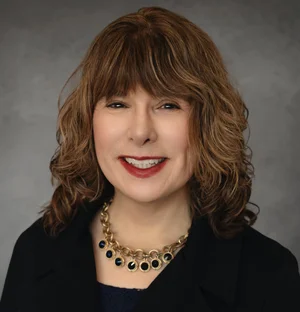
Cecilia Sepp, CAE, ACNP, LPEC
One of my favorite authors is Lynn Picknett. You may not have heard of her before but she has written many books on what might be called occult or hidden knowledge. She explores ideas that are ridiculed because they are uncomfortable. Along the way, she digs into hidden history and shares views that demonstrate the world is not always what it seems – and it is definitely not what we are told it is.
Kicking over rocks to see what is underneath is a dangerous activity when you threaten the social order and the world’s belief system. But she does it anyway which makes her my kind of person.
Lynn Picknett is a tireless researcher and questioner who is not afraid to deal with uncomfortable truths. This is a lesson we could all take to heart – what we call truth or “the way it is” completely blindsides us when we learn that what we have been told to believe is not accurate. Humans build social and intellectual structures to stave off the stomach-churning reality we don’t want to face: we are all working without a net.
Believing there is a net is what convinces us we are safe. It keeps us focused. It prevents us from giving into existential dread. But is there really existential dread? Or is it that we can’t handle the truth, to quote Jack Nicholson from the movie “A Few Good Men”? Do we keep each other imprisoned in a limited existence because it is easier than embracing the fact that we create the world we live in? There is no “other” out there impacting us.
Reality is our own creation; we are sentient beings living on multiple planes of existence. That might be a bit much to contemplate before your first or second cup of coffee, so maybe you table that thought until after lunch. Or maybe scroll through Instagram and ignore that idea because it’s unsettling.
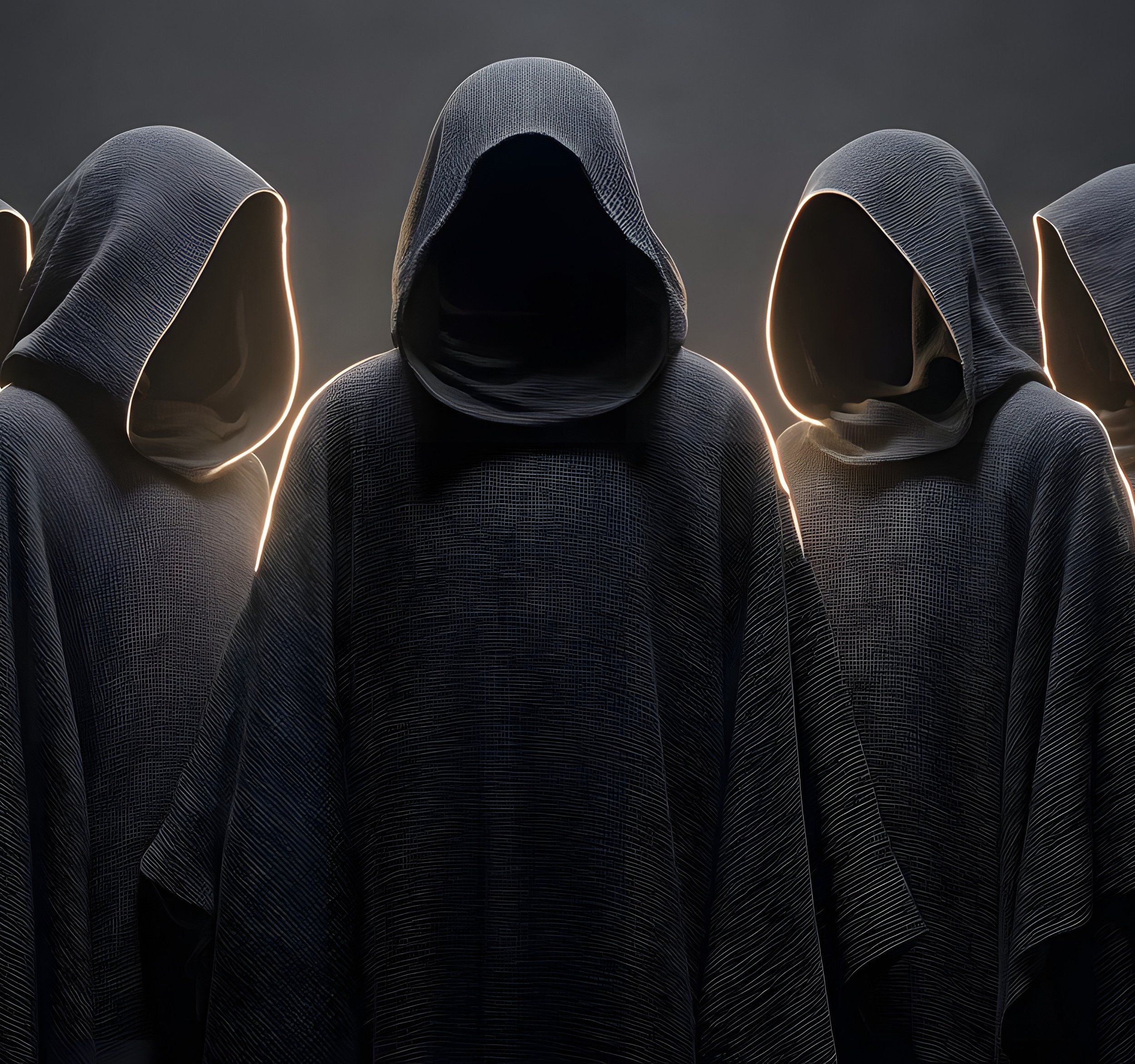
What does this have to do with Secret Societies? One of the big takeaways for me from “The Sion Revelation,” one of Lynn Picknett’s earlier works, is that Europe is full of secret societies. While they are called “secret” because they are invitation only, and they may wear robes and chant at some meetings, it’s really about belonging. It’s about feeling special. It’s about the nature of connection in a universe so vast you can feel lost walking to the corner of your street.
And what is really interesting is that “secret societies” come and go. They exist for a while, and then the group disbands and a new group forms in its place. If you are wondering, I’m sure they keep up with the robes and chanting – they just have a different name. This happens to associations from time to time; they close or merge and change their name. Yet, a group will form to bring together these people seeking connection.
These groups continue to exist all over the world, and while we may want to tell ourselves that the Illuminati or the Bilderberg Conference attendees, or some other international secret society is plotting conspiracies to control the rest of us, it’s just not the case.
Like the rest of us, the people in these groups think they can impose order on a chaotic universe. Or at least a chaotic planet called Earth. They are seeking safety and reassurance – like the members of all the small, hidden groups that exist around the world seeking constancy in an unpredictable world.
We are becoming increasingly insular for this reason. The world seems to be coming apart at the seams so we are seeking solace in smaller and smaller circles of people. According to the Edelman annual trust survey, insularity is the big issue impacting trust in today’s world.
What can associations learn from Secret Societies? It’s about belonging, not about volunteering. It’s about finding your place when you feel untethered. It’s about creating a space where you can breathe out and focus on your profession or industry.
In the end, it’s about coming together in a world that feels like it’s coming apart.