

By Cecilia Sepp, CAE, ACNP, LPEC
I think we can all agree that making decisions is hard. I don’t mean chocolate or vanilla, or pizza or salad. The real decisions that make a difference in our lives take effort. We need to do a lot of thinking, assess the situation, gather data, and then take a leap of faith. Why is it a leap of faith?
Because we have no idea what the outcome will be.
We like to think we do, but as the saying goes, the best laid plans of mice and men often go astray. No matter how much research we do, how much soul searching is involved, or how much time we invest in considering the ripple effect of our decision, there might be something that you don’t consider.
That’s right: there’s always an unknown factor or an unexpected complication. Like John McClane says in the original movie “Die Hard,” “I’m the monkey in the wrench.” This is why so many of us hesitate to choose – what if we are wrong? And what if there is an unanticipated problem? We might be a failure or we might be blamed.
No one wants to be the one who drove the bus off the cliff because they thought they knew a shortcut. So we wait. We hesitate. We say “we need more research” to buy ourselves time, hoping that the divine revelation will reveal itself. Even better, we might say, “we need to build consensus on the decision.” That way we can all take the fall if we are wrong.
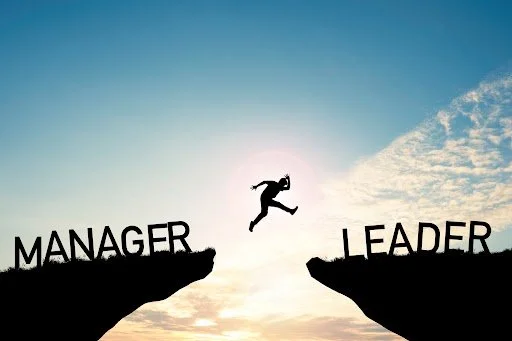
But decisions are necessary and they are a leap of faith. It’s why leaders are rare and politicians are abundant. Leaders will make the decision and handle the consequences, good, bad, or ugly. Politicians don’t act; they wait for someone to blame. Inaction is presented as “good leadership” when it is really a path to stagnation.
Nothing happens in this world without someone deciding to act. Leadership is making the best assessment possible, considering options, deciding, and then acting. We do not live in a perfect world in which we always know what to do and what is best. We do live in a wonderfully imperfect one that provides us opportunities for exploration and experimentation.
We don’t know unless we try. If it doesn’t work, don’t do it again. Mitigate bad outcomes and build on the good outcomes. That is the core of leadership and that is why leading is not for everyone. Leadership takes courage, even in the simplest of situations. Leaders gather information, build relationships, assess consensus, but in the end, they are the ones who make the decision.
When making decisions, the only guarantee is that nothing will happen if you don’t make one.