
Cecilia Sepp, CAE, ACNP, LPEC
Since I haven’t posted an article since January 30, 2026, it’s about time I sat down and shared some thoughts. Some weeks I don’t write because it’s a holiday, or there are deadlines for clients – it is never for a lack of ideas or topics.
In fact, some weeks I have writing paralysis because there are so many things to talk about I have trouble picking one. But this week was pretty easy since A.I. is on my mind, as it is for most of us.
Regular readers know I have written several articles over the last few years on A.I.:
If you read all these articles, you will see that I’m not a huge fan of A.I. because of how it is being forced on us. I don’t see a lot of personal responsibility with its development, and it is starting to get in the way of us actually working.
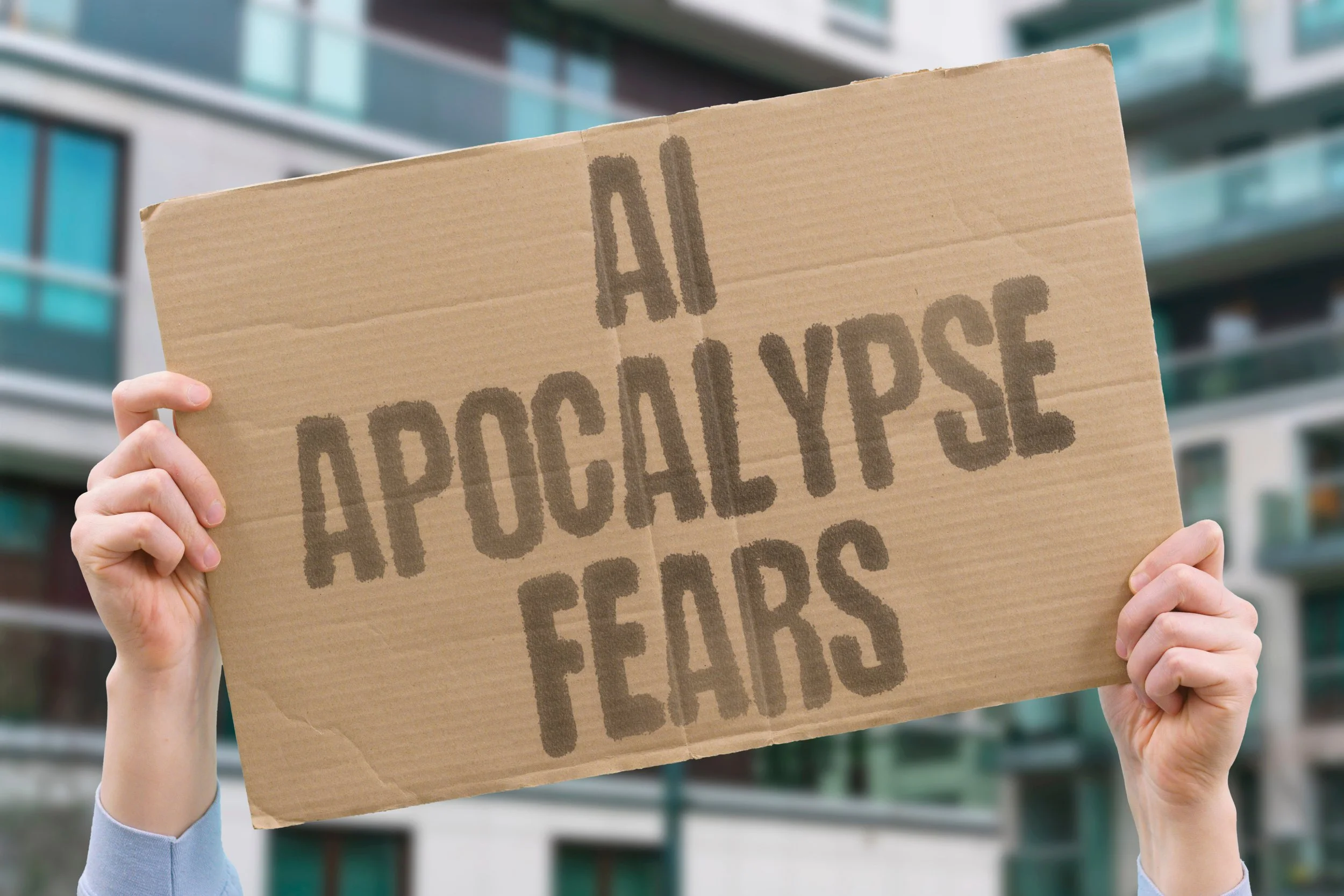
Could it destroy the world and lead us to a cataclysmic feudalistic system of haves and have nots? Sure. But monkeys could fly out of our asses too if the circumstances are right and we aren’t careful. It’s all about being responsible and accountable, which to be honest, we humans aren’t always very good at doing.
While I have always advised extreme caution with the use of A.I., and even at times suggested it could lead us down the path of destruction, I try to get a bigger picture of this issue. While it could destroy jobs and the economy, there are others who have the opinion that it’s going to be a boon for the workforce by allowing them to upskill more quickly and focus on deep work.
As I have learned in my time here on Planet Earth, the truth is usually somewhere in the middle. Considering the fact that I see a lot of people using ChatGPT to make caricatures of themselves, I’m starting to think people aren’t as afraid of A.I. as they might have been just two years ago.
I can say I’ve never been afraid of A.I., but I have been afraid of how people use it. Like I said on a podcast about A.I. Tools for Promoting Consulting Businesses, any tool is defined by the intention of the user. You can use a hammer to build a piece of furniture, or you can use it to break a window. How it is used is determined by the person wielding it. Their decisions and actions are informed by their intentions and their ethics. Just listen to The Beatles’ song, “Maxwell’s Silver Hammer” and you see my point.
Like any new technology that we adopt without quite understanding it, there are positives and negatives to A.I. tools. I have seen this with other technology adoption in the past. When websites became accessible for everyone, most organizations wanted one even though they didn’t know what it was or why you would use it – which is why a lot of websites weren’t very good. Broadcast fax was a great tool for fast communication, but no one thought about the impact on fax inboxes – or the environmental impact of all that thermal paper on landfills.
The last time everyone got this upset about a technology tool was the onset of the social media age. “Oh no!” leaders exclaimed. “Now anyone can post anything instantly! And they can comment on it too!!” Right. It really wasn’t much different from broadcast fax except that you no longer had to wait for a reply.
Despite being an A.I. skeptic due to humanity’s track record of not always doing the right thing, I refuse to get hysterical or panic about something that we control. For in the end, what it comes down to is this: no matter how much agency humans claim to have or want, we always seem to blame problems on someone or something else.
Everything is a result of our choices, decisions, and actions whether individually, as a group, or as a society. If we keep that in mind, we will find a safer and more stable path forward.